
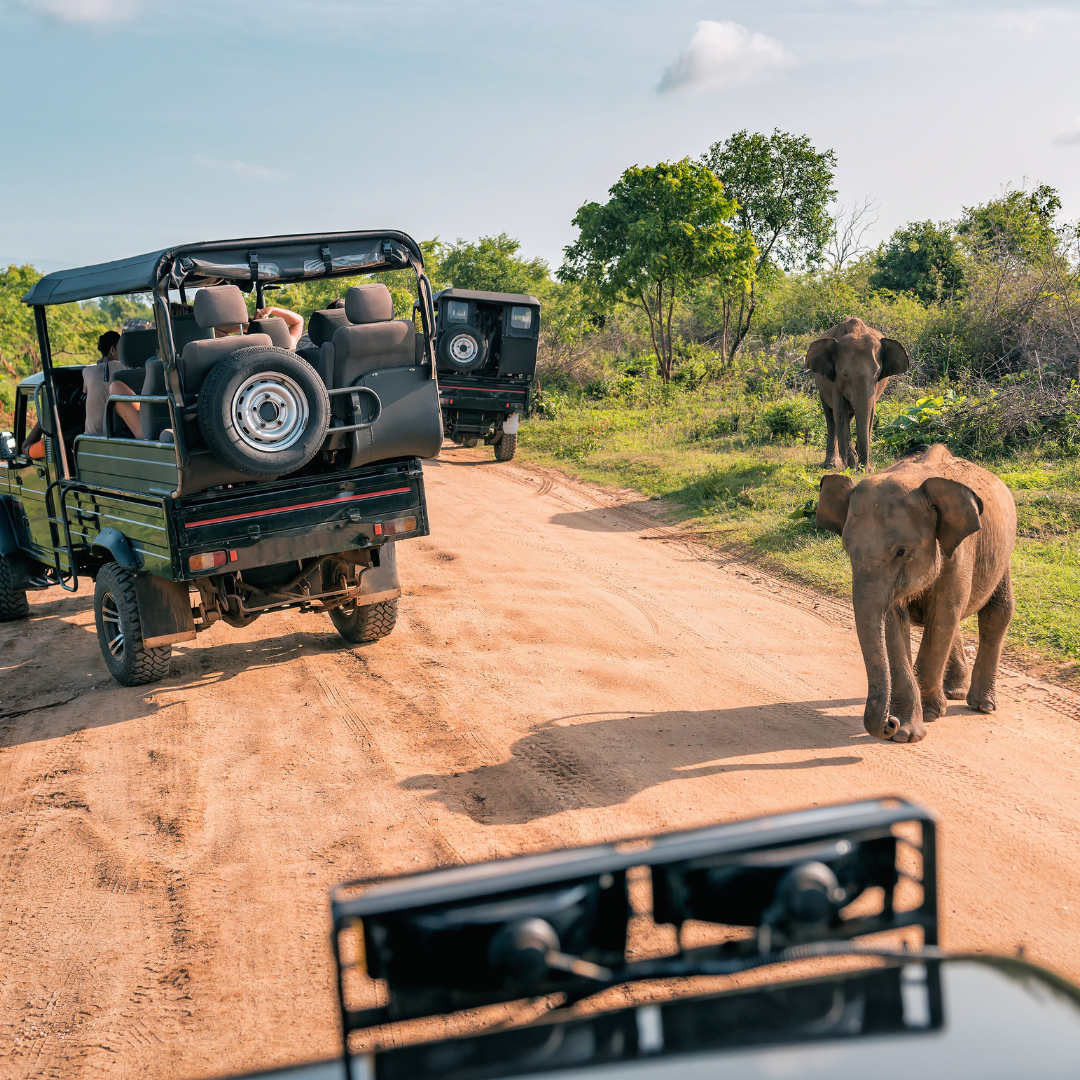
Planning for a safari in Africa can be an exhilarating experience that opens the door to some of the world’s most breathtaking wildlife and landscapes. To ensure a rewarding journey, visitors should research the best national parks and reserves, understand the best time to visit and prepare adequately in terms of health and safety. The thrill of seeing majestic animals in their natural habitat awaits, but preparation is key to maximizing that experience.
Traveling to Africa for a safari involves more than just booking a trip. It’s essential to have the right gear, such as appropriate clothing and first aid supplies, to navigate the diverse environments safely. Additionally, understanding local customs and regulations can enhance one’s experience, making it both respectful and enjoyable.
The first African safari can set a lasting impression, so it is wise to approach it with careful planning. A well-prepared traveler is better equipped to engage deeply with the flora and fauna that make the safari experience so unique.
Planning Your Safari Itinerary
Careful planning is essential for a successful safari experience. Factors such as destination, seasonal variations, and accommodation types play a significant role in shaping the itinerary.
Choosing the Right Safari Destination
Selecting the right destination is crucial for tailoring the safari experience. Options include Kenya, known for the Serengeti and the Great Migration, and Tanzania, which offers rich wildlife in areas like the Ngorongoro Crater and Lake Manyara.
Botswana boasts pristine wilderness areas like the Okavango Delta, ideal for more exclusive experiences. Namibia’s Etosha National Park features diverse landscapes and unique wildlife.
Researching each destination will help identify the preferred experiences, from viewing predators to witnessing the calving season of wildebeest. Accessibility and travel times between parks should be considered as well.
Understanding Seasonal Impacts
The safari experience can vary based on the seasons. The dry season (typically May to October) offers excellent wildlife visibility, as animals congregate around water sources. This is considered the peak time for safaris in places like the Serengeti and Kruger National Park.
Conversely, the rainy season (November to April) transforms the landscape and is essential for flora and fauna. Visitors may experience fewer crowds and benefit from discounted rates. However, wildlife viewing can be challenging due to dense vegetation. Understanding these seasonal dynamics allows for better planning of sightings.
Selecting Suitable Accommodations
Accommodation type significantly influences the safari experience. Options range from luxurious safari lodges to more rustic tented camps. Lodges often provide more amenities, while tented camps offer a closer connection to nature.
When selecting accommodation, consider proximity to wildlife hotspots and the types of safari activities offered, such as guided walks or game drives. Look for accommodations that prioritize eco-friendly practices, as they contribute to conservation efforts.
Reading reviews and checking amenities can help ensure a comfortable stay. Availability during peak seasons may require early booking, particularly for sought-after lodges and camps.
What to Pack for a Safari
Packing wisely for a safari is essential. Appropriate clothing, gear for wildlife viewing, and health and safety supplies all play a critical role in ensuring a comfortable and enjoyable experience.
Appropriate Safari Clothing
Choosing the right clothing is crucial for comfort and protection during a safari. Lightweight, breathable fabrics are ideal, as they help regulate body temperature in warm conditions. Neutral colors, such as khaki, olive, and beige, blend into the environment and minimize disturbance to wildlife.
Lightweight long-sleeve shirts and trousers protect against sunburn and insect bites. A wide-brimmed hat can provide additional sun protection, while a pair of good-quality sunglasses shield the eyes against the glare. It’s advisable to pack clothing that can be layered for varying temperatures throughout the day. Quick-dry materials are beneficial, especially if a rain shower occurs.
Essential Gear for Wildlife Viewing
Wildlife viewing calls for specific gear to enhance the experience. A quality pair of binoculars is essential for observing animals from a distance. Look for binoculars with at least 8x magnification and a field of view that captures wide scenes.
A camera with a good zoom lens captures memories of the safari. Travelers should invest in extra memory cards and batteries to avoid missing key moments. A lightweight backpack is useful for carrying these items and can also hold water, snacks, and a field guide for identifying animals and plants encountered on the journey.
Health and Safety Supplies
Safety should remain a priority while on safari. Travelers should consult their doctor regarding necessary vaccines and any specific vaccination requirements before departure. Malaria prophylaxis is often recommended for regions where the disease is prevalent.
Packing a basic first-aid kit is advisable, including items like band-aids, antiseptics, and any prescription medications needed. Insect repellent with DEET can help prevent insect bites. Additionally, travelers should consider packing sunscreen with high SPF to protect their skin against harsh sun exposure while outdoors.
On Safari: Making the Most of Your Adventure
An African safari offers numerous opportunities to engage with diverse wildlife and local cultures. Visitors can maximize their experience through various activities, understanding animal behaviors, and immersing themselves in the vibrant local culture.
Also, for those seeking more specialised experiences beyond the traditional photographic safari, careful research is essential. Working with reputable brokers can help travellers find ethically managed trips and trustworthy outfitters. Organisations that personally vet operators and gather client feedback offer an added layer of confidence, particularly when considering options such as hunting safaris worldwide. Before booking, it’s always wise to review licensing, conservation commitments, and recent client experiences to ensure any safari is legal, responsible, and aligned with your values.
Engaging in Diverse Safari Activities
A variety of activities enhances the safari experience. Game drives are among the most popular, often conducted in the early mornings and evenings when animal activity is high. Guides provide critical insights about the Big Five and other species encountered.
Walking safaris offer a unique perspective. On foot, travelers can explore the landscape and learn about flora, tracks, and smaller creatures. Night drives present an opportunity to spot nocturnal animals, revealing a different aspect of the ecosystem.
Each activity provides distinct experiences, catering to different interests and enhancing the adventure in Africa.
Understanding Wildlife Behavior
Knowledge of wildlife behavior enhances the safari experience. Different species exhibit unique patterns in their daily activities. For instance, African elephants are often seen near water sources, especially at dawn and dusk, making these times ideal for spotting them.
Understanding the migratory patterns of wildebeest provides vital insight into the ecosystem. During migration, these animals create dramatic scenes, attracting predators and offering thrilling wildlife encounters.
Safari guides play a crucial role in interpreting these behaviors, enriching the visitor’s understanding and appreciation of African wildlife.
Embracing the Local Culture
Interacting with local communities enriches the safari experience. Visitors are encouraged to engage with indigenous cultures to gain a deeper understanding of the land and its traditions.
Local villages may offer demonstrations of traditional crafts or music. This creates an opportunity to learn about local customs, cuisine, and history.
Respectful engagement fosters meaningful connections while supporting local economies. It’s an essential aspect of the safari adventure, bridging appreciation for both nature and culture.
Post-Safari Considerations
After a safari in Africa, it is important to recognize the impact of tipping, conservation efforts, and the potential to extend travel plans. These aspects can enhance the overall experience and foster ongoing connections with the region.
Tipping and Gratuity Guidelines
Tipping is customary in many safari lodges and among guides. A recommended guideline is to tip approximately 10-15% of the total safari cost for guides and drivers. For lodge staff, a tip of around $10-15 per person per day is standard. It’s advisable to prepare cash in the local currency, such as the South African Rand, for ease of transactions.
Guests may also consider group tipping if traveling with a larger party. This approach ensures that all staff involved in the safari receive appreciation for their service. When giving tips, it is respectful to present them discreetly, often at the end of the stay or during the farewell.
Conservation and Community Support
Supporting conservation initiatives and local communities is vital after a safari. Many lodges contribute to conservation projects or community development programs. Travelers are encouraged to learn about these programs and consider making donations, which can significantly impact the environment and local livelihoods.
Participating in activities such as wildlife conservation tours or community visits fosters a deeper understanding and appreciation of local cultures. Additionally, purchasing locally made crafts provides economic support to artisans and helps sustain traditional practices. This connection enriches the safari experience while promoting responsible tourism.
Extending Your Travel
Many travelers choose to extend their African adventures. Johannesburg serves as a convenient starting point for additional explorations. Options include visiting nearby Pilanesberg National Park, or the scenic landscapes of the Garden Route.
Travelers should review visa requirements for neighboring countries if planning to cross borders. Additionally, arranging transport ahead of time will enhance the travel experience. Exploring urban areas, or engaging in cultural experiences, provides a rich perspective of African life beyond the safari experience.