
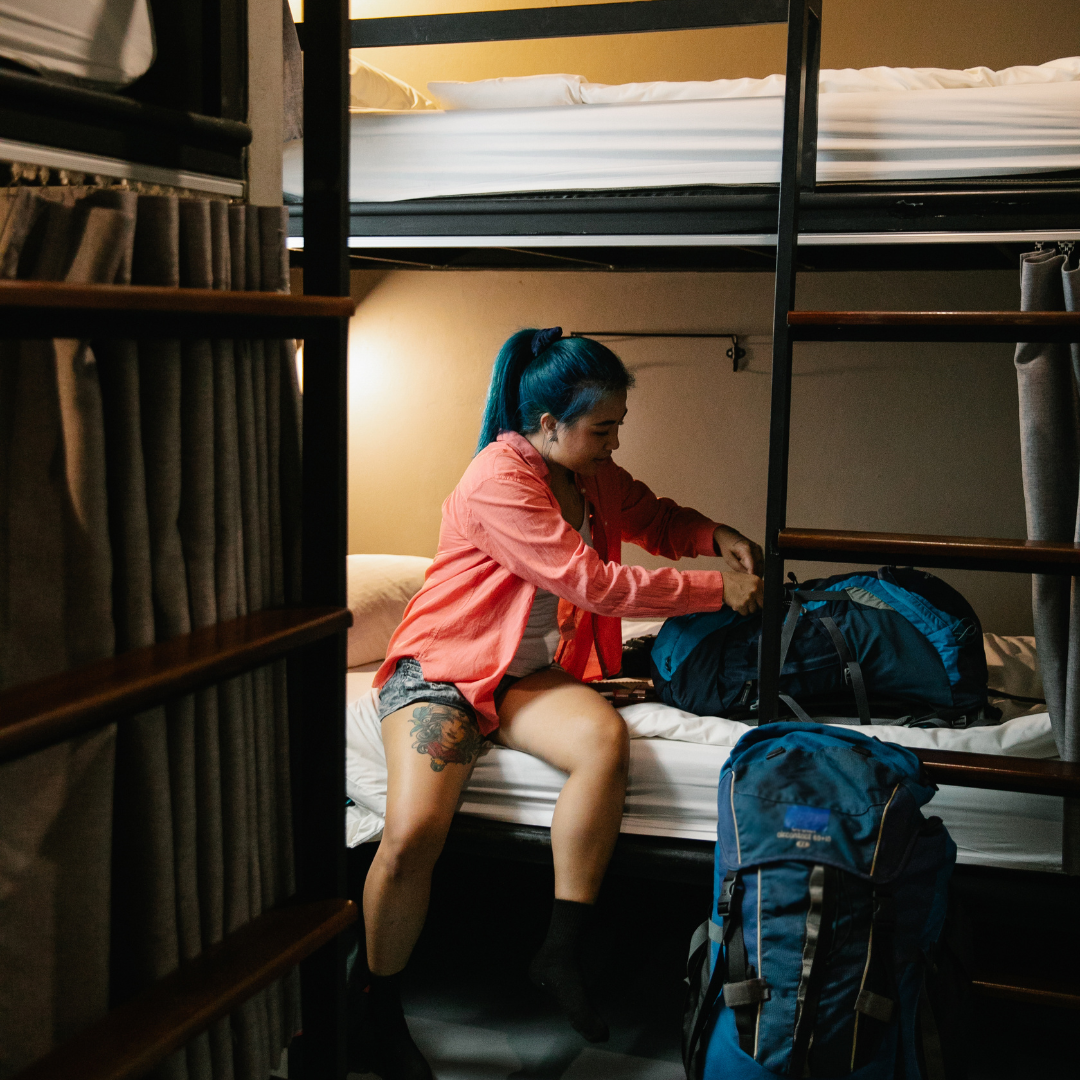
Staying in hostels or shared spaces can be a rewarding experience, offering opportunities for meeting new people and immersing oneself in different cultures. To ensure personal safety, travelers should stay aware of their surroundings, secure their belongings, and familiarize themselves with hostel policies. Being proactive about safety not only enhances the travel experience but also builds confidence when navigating unfamiliar environments.
When booking a hostel, it’s essential to read reviews and research the location. A well-reviewed hostel often indicates a safe environment, while being aware of the area can inform travelers about potential risks. Additionally, choosing accommodation with secure storage options for valuables can prevent theft and provide peace of mind.
Maintaining open communication with fellow travelers and hostel staff plays a key role in safety. Engaging with others can lead to valuable tips and recommendations. Travelers should not hesitate to report any unusual behavior or concerns to staff, as hostels typically prioritize the safety and well-being of their guests. By taking these precautionary steps, individuals can enjoy their hostel experience with reduced anxiety and greater enjoyment.
Key Safety Tips For Hostels And Shared Spaces
Staying in hostels and shared spaces requires an awareness of safety practices to protect personal belongings and ensure a secure environment. Following specific strategies can significantly improve safety for travelers.
How To Secure Your Belongings
Travelers should always keep their valuables close when staying in hostels. Using a money belt or hidden pouch allows easy access to cash and important documents while keeping them out of sight.
Locking personal items in lockers can enhance safety. Hostels often provide lockers in dormitory rooms. It’s crucial to use a high-quality padlock for additional security. When leaving belongings unattended, choose spots monitored by security cameras.
Establishing a workspace or sleeping area close to others can also help deter theft. Establishing rapport with fellow dorm members fosters a sense of community and mutual vigilance.
Staying Safe In Common Areas
Common areas serve as gathering points but can also pose safety risks. Staying alert in shared lounges, kitchens, and dining areas is essential. Travelers should keep personal items secured or within sight.
Using well-lit and populated areas during late hours minimizes risks. It’s wise to limit alcohol consumption to remain aware of surroundings. Engaging in social activities should also be balanced with personal safety.
Always report suspicious behavior to hostel staff. Most hostels maintain a supportive environment, and staff members are trained to handle potential issues promptly.
Utilizing Hostel Lockers And Key Card Access
Many hostels offer lockers and key card access for enhanced security. Lockers, often found in shared rooms, provide a secure place for bags and valuables. Travelers should ensure their locker is used properly and locked at all times.
Key card access restricts room entry to authorized guests only. It’s essential to keep key cards safe to avoid unauthorized access. If a card is lost, report it immediately to the hostel management.
Some facilities may also use smart technology for entry, providing additional layers of security. Familiarizing oneself with access procedures can increase comfort and safety throughout the stay.
Choosing The Right Hostel For A Safe Stay
Selecting a safe hostel is crucial for a pleasant travel experience. This involves researching reviews, understanding the significance of the location and facilities, and booking through reliable platforms.
Researching Hostel Reviews And Safety Ratings
Before booking a hostel, individuals should read reviews on platforms like Hostelworld and TripAdvisor. Feedback from previous guests often provides insight into safety conditions. Look for mentions of safety features such as 24/7 reception and secure lockers.
Ratings can vary, so focus on hostels that consistently receive high scores for cleanliness and safety. Prioritize those that have a clear safety record. Cross-reference reviews across multiple sites to gain a well-rounded perspective.
Importance Of Location And Facilities
The hostel’s location plays a vital role in safety. It should be situated in a safe neighborhood with good lighting and easy access to public transport. Research local crime rates and proximity to attractions to gauge overall safety.
Key facilities enhance safety, including secure entry systems, on-site security personnel, and lockers for belongings. A hostel with clear emergency procedures and fire exits can provide additional peace of mind.
Booking Through Reputable Platforms
Using trusted booking platforms is essential for securing a safe stay. Websites like Hostelworld or Booking.com offer verified listings and customer reviews, ensuring transparency.
Reputable sites typically provide detailed information about safety features and amenities. They often have customer service support available to resolve issues quickly. Verify that the site offers secure payment options to protect personal information.
Special Considerations For Solo And Female Travelers
Solo and female travelers face unique challenges when staying in hostels or shared spaces. Implementing certain strategies can significantly enhance safety and comfort during their journeys.
Requesting Female-Only Dorms
Many hostels offer female-only dorms, providing a more secure and comfortable environment for women traveling solo. Requesting a bed in these dorms can minimize discomfort and enhance feelings of safety. Female-only dorms often have like-minded travelers, fostering a sense of community.
When booking, travelers should look for hostels that explicitly advertise female-only options. Always verify the hostel’s reputation through reviews on trusted travel websites. This helps in understanding the experiences of previous guests and ensures a safer stay.
Building A Support Network
Establishing a support network is essential for solo female travelers. Connecting with fellow guests can create a sense of camaraderie and offer assistance in unfamiliar surroundings.
Using social media platforms or travel forums can facilitate introductions to other travelers. Joining organized group activities or excursions within the hostel can enhance social interactions and provide a layer of safety in numbers.
Engaging with hostel staff can also be beneficial. They can share local insights and tips that might enhance the travel experience and ensure safety.
Personal Safety Strategies For Solo Travelers
Solo travelers should adopt specific personal safety strategies to navigate shared spaces effectively. First, it’s important to secure personal belongings. Using a lock for lockers or an anti-theft bag can deter theft.
Travelers should also remain aware of their surroundings. Trusting one’s instincts is crucial; if a situation feels uncomfortable, it is wise to remove oneself.
Maintaining communication with friends or family can provide an added layer of safety. Regular check-ins or sharing itineraries ensure someone is informed of the traveler’s whereabouts. Taking these precautions can significantly improve safety while staying in hostels.
Additional Smart Practices For Hostel Safety
Taking additional precautions can significantly enhance safety while staying in a hostel. Implementing practical strategies helps travelers protect themselves and their belongings, ensuring a more secure experience.
Securing Travel Insurance
Travel insurance is a critical component of safe travel. It offers financial protection against unforeseen circumstances, such as trip cancellations, medical emergencies, and theft.
Before booking a hostel, consider selecting a policy that includes coverage for personal property loss and medical expenses. Many insurers offer tailored plans for backpackers that suit different needs.
While choosing insurance, verify the policy specifics. Ensure it covers emergency evacuation and 24/7 customer support for assistance while abroad. Price comparisons can help find optimal coverage that doesn’t exceed budget limits.
Trusting Your Instincts And Knowing When To Seek Help
Instincts play a vital role in safety while traveling. If something feels off, it probably is. Travelers should trust their gut when it comes to interactions with fellow guests or hostel staff.
It’s important to identify local authorities or nearby consulates. Knowing where to seek help can provide peace of mind. If uncomfortable situations arise, don’t hesitate to alert hostel employees or local law enforcement.
Establishing a reliable system of support is crucial. Share travel details with friends or family, allowing them to monitor your well-being during the trip. This network can be beneficial in emergencies.
Managing Communications And Emergency Contacts
Proper communication management is essential for safety in hostels. Keeping a charged phone with access to emergency contacts is a priority. Travelers should store important numbers, including local police, medical services, and embassy contacts.
Using apps designed for safety can enhance communication. Many allow for real-time location sharing and SOS features, notifying trusted contacts in case of danger. Travelers should also familiarize themselves with local emergency numbers.
Backing up important documents digitally, such as passports and insurance information, can provide quick access in case of loss or theft. Regularly check for notifications or updates that might affect safety during their stay.