
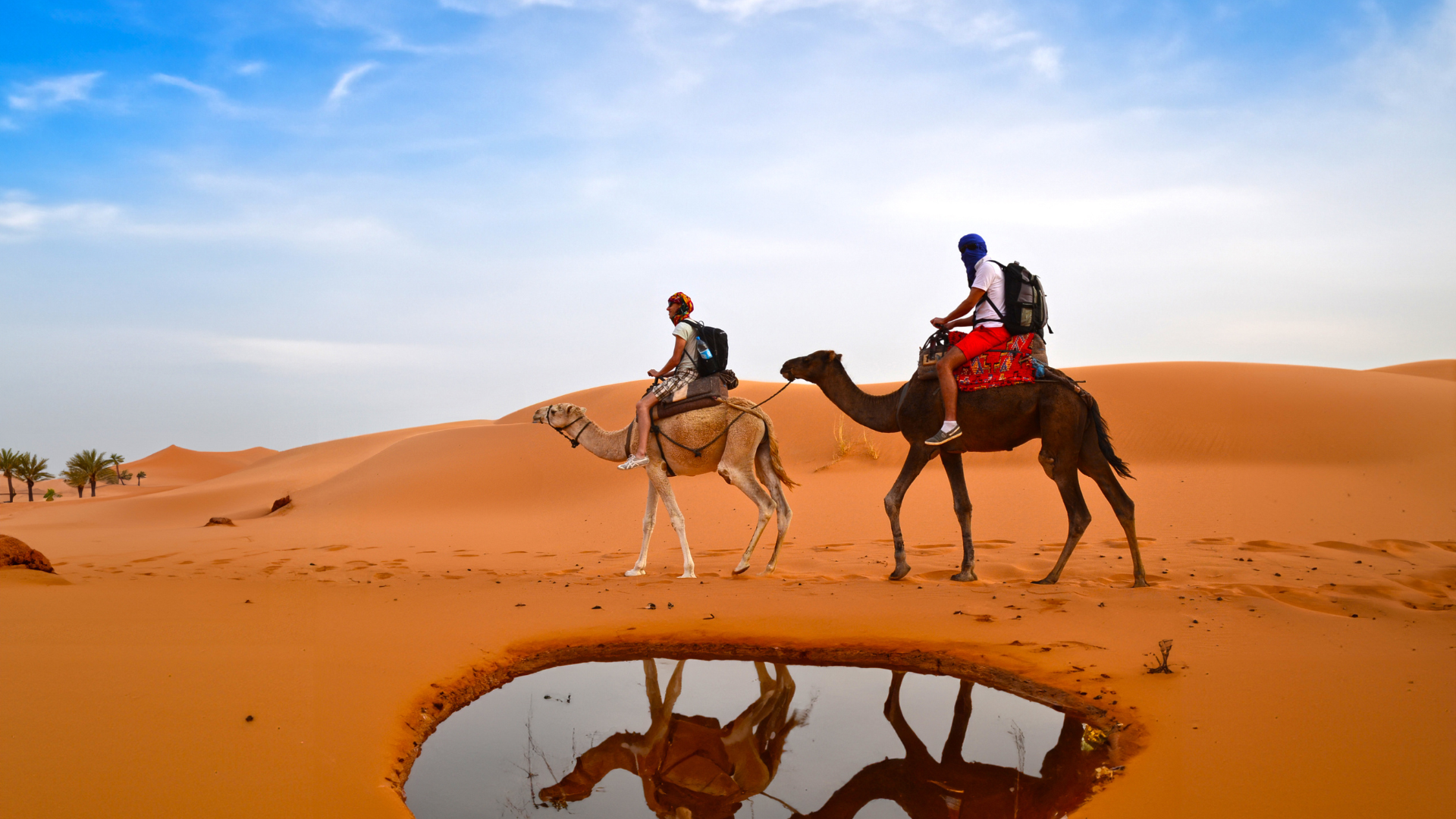
Preparing for a desert safari can significantly enhance the experience and ensure a memorable adventure. Choosing the right time of day, researching the best activities, and packing essential gear can make all the difference in enjoying a desert experience to its fullest. From thrilling dune bashing in a Dubai desert safari to relaxing under the stars, proper preparation sets the stage for an unforgettable journey.
In the vast landscapes of the desert, travelers can indulge in a variety of activities, including camel rides and cultural experiences. It is crucial to consider the climate, as temperatures can vary widely between day and night. Knowing what to expect helps in selecting appropriate clothing and gear, which is vital for comfort during this unique desert adventure.
Individuals planning a safari in Dubai will find many options available, making it essential to choose a reliable provider. This selection can ensure a safe and enjoyable experience, whether it includes exhilarating rides or serene evenings around a campfire. Understanding these components will enrich anyone’s desert safari and create cherished memories.
Packing Essentials for a Desert Safari
Preparing for a desert safari requires a careful selection of clothing and accessories to ensure comfort and safety in the harsh environment. The right items can make the experience enjoyable and unforgettable.
Choosing the Right Clothing
When selecting clothing for a desert safari, breathable fabrics are essential. Lightweight, long-sleeved shirts and full-length pants protect against sun exposure and insects. Opt for materials like cotton or moisture-wicking synthetics to stay cool.
A wide-brimmed hat or a keffiyeh provides shade and can be wrapped around the face when the wind picks up. Choosing light colors is beneficial, as they reflect sunlight. Comfortable closed-toe shoes are important for walking on sand and rocky terrain. Lightweight jackets or scarves should be included for cooler evenings. This layered approach offers protection while maintaining comfort.
Critical Accessories to Carry
Accessories play a key role in enhancing the safari experience. High-SPF sunscreen is necessary to prevent sunburn, with regular reapplication throughout the day. UV-protection sunglasses shield the eyes from intense sunlight and glare. A scarf or bandana can double as a dust mask during bumpy rides.
A reusable water bottle is vital to stay hydrated. Insect repellent should also be included to ward off bugs during evenings. A small, lightweight backpack is convenient for carrying essentials while exploring.
Additional Items for Comfort and Safety
Incorporating a few additional items can enhance comfort and safety during the trip. Snacks help maintain energy levels throughout the day. A first aid kit is essential for addressing minor injuries or issues that may arise. Travelers may want to bring wet wipes or hand sanitizer to maintain cleanliness in remote areas. A portable charger or power bank ensures that devices remain charged for capturing memorable moments. Binoculars can be useful for wildlife watching, offering a closer look at distant animals.
Understanding the Desert Climate
The desert climate presents unique challenges and considerations for those preparing for a safari. Key aspects include staying hydrated and protected from the sun, as well as dressing to accommodate fluctuating temperatures.
Staying Hydrated and Protected
Proper hydration is essential in desert environments where temperatures can soar. It is advisable to drink water regularly, even if not feeling thirsty. Dehydration can occur swiftly, leading to serious health risks. Carrying adequate supplies is crucial. A general guideline is to consume at least 3-4 liters of water per day, adjusting based on activity levels. Hydration packs or water bottles with built-in filters can be useful.
In addition to hydration, sun protection is vital. Using broad-spectrum sunscreen with an SPF of at least 30 can shield skin from harmful UV rays. Wearing a wide-brimmed hat and UV-blocking sunglasses enhances protection and comfort in bright desert landscapes.
Dressing Appropriately for Temperature Changes
Dressing for a desert safari requires attention to the significant temperature variations that can occur between day and night. During the day, temperatures may exceed 100°F (38°C), while at night, they can drop to 50°F (10°C) or lower.
Light, breathable fabrics such as cotton or moisture-wicking materials are ideal for daytime wear. Loose-fitting clothing allows for better air circulation and reduces the risk of overheating. As temperatures drop in the evening, layering becomes important. Packing a lightweight jacket or fleece can help maintain warmth without adding bulk. Accessible layers allow for easy adjustments, ensuring comfort throughout the safari.
Engaging in Desert Safari Activities
Desert safaris offer a unique blend of traditional experiences and thrilling adventures. Visitors can immerse themselves in cultural activities while enjoying adrenaline-pumping sports across picturesque dunes.
Experiencing Traditional Desert Thrills
One of the most captivating activities is camel riding. Participants can choose a gentle ride across the dunes, providing a unique perspective of the desert landscape. Riding camels, often referred to as “ships of the desert,” allows for a slow and immersive experience.
Additionally, watching local traditions unfold during cultural performances enriches the safari experience. Visitors may enjoy traditional music and dance, showcasing the region’s rich heritage. Many safaris may include henna painting or traditional feasts, allowing participants to engage with local customs. These experiences create lasting memories and add depth to the adventure.
Adventure and Leisure Activities
For those seeking excitement, dune bashing is a must-try. This exhilarating off-road experience takes place in modified 4×4 vehicles, speeding and navigating up and down the steep dunes. Drivers often showcase their skills, making it a thrilling ride.
Another popular activity is sandboarding. Participants ride down the sandy slopes on specially designed boards. This sport combines the fun of snowboarding with the unique environment of the desert. Leisure pursuits such as watching a desert sunset or stargazing are also available. The clear night sky provides an exceptional view of the stars, enhancing the overall experience of the desert safari.
Respecting Nature and Local Traditions
Respecting the desert environment and local culture enhances the experience of a desert safari. Adhering to safety guidelines and being aware of cultural practices help ensure a respectful and enjoyable adventure.
Safety Guidelines to Follow
Travelers should prioritize safety while exploring the desert. It’s crucial to stay hydrated by drinking plenty of water, as temperatures can rise rapidly. Wearing lightweight, breathable clothing protects against the sun’s heat and prevents dehydration.
When engaging in activities like dune bashing or sandboarding, passengers must follow the driver’s instructions closely. Keeping arms and legs inside the vehicle enhances safety during rides. Additionally, knowing the emergency contact numbers is important for addressing any unforeseen circumstances in a remote environment.
Understanding Dubai’s Desert Culture
The desert surrounding Dubai holds a rich cultural heritage. Travelers should take time to learn about the Bedouin lifestyle, which emphasizes harmony with nature. This involves understanding the significance of wildlife and plants, which serve essential roles in the local ecosystem.
Interacting respectfully with local customs is vital. For instance, when visiting traditional camps, guests should remove their shoes before entering, showing courtesy to the hosts. It’s also important to dress modestly and be aware of local etiquette, especially during cultural events or gatherings. Understanding these traditions fosters a deeper appreciation for the area’s history and its people.