
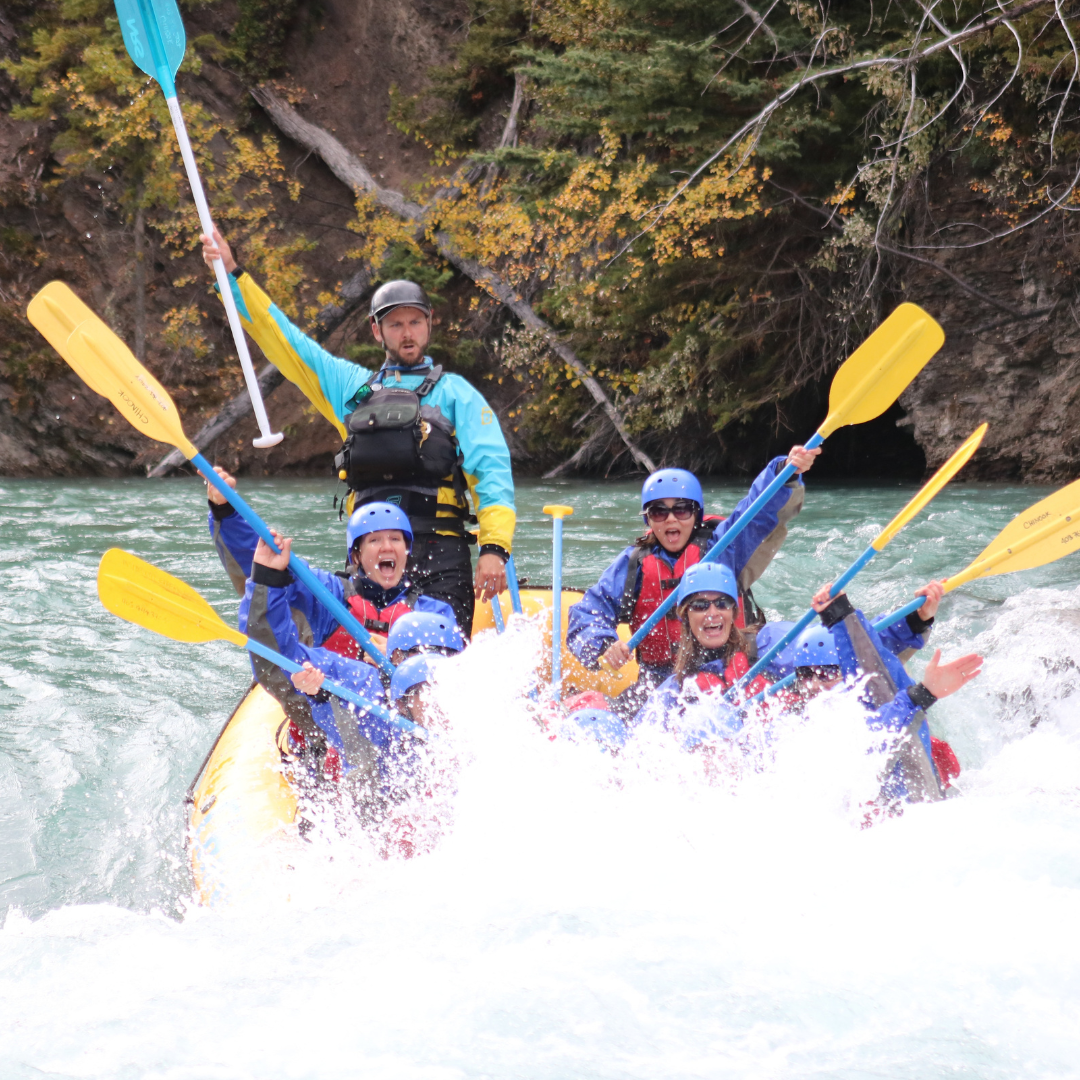
White-water rafting offers an exciting opportunity for outdoor enthusiasts to experience nature’s thrill. For beginners, this adventure requires some preparation and knowledge about safety and technique to ensure a memorable experience. It is not just about navigating the rapids; it is about embracing the stunning scenery and the adrenaline rush that comes with each wave.
Understanding the basic principles of rafting is essential for anyone looking to take part in this unforgettable adventure. From choosing the right gear to learning essential paddling strokes, beginners can set themselves up for success on the river. Participants should also familiarize themselves with the classifications of rapids to gauge their skill level and pick appropriate routes.
Preparation is key to making the most of a rafting adventure. Beginners should seek guidance from experienced instructors or guides who offer valuable insights into both safety protocols and techniques. With the right approach, anyone can enjoy the thrill of white-water rafting while making lasting memories.
Getting Equipped for Rafting
Proper equipment is crucial for a safe and enjoyable rafting experience. It safeguards against the elements and ensures adequate safety in turbulent waters.
Essential Rafting Gear
Key items needed for white-water rafting include a life jacket, helmet, and paddles. A life jacket provides buoyancy and keeps the individual afloat in case of a fall into the water. A properly fitted helmet protects the head from impacts against rocks or other obstacles.
Paddles come in various sizes, typically made of lightweight materials for easy handling. A good set of water shoes is essential, offering grip and protection against sharp objects on the riverbed. Wetsuits help maintain body temperature in cold water, promoting comfort during the journey. It is also important to carry sunscreen to protect against UV rays.
Choosing the Right Outfit
Selecting the right outfit is vital for comfort and protection during rafting. It is advisable to wear quick-drying clothing, as wet garments can lead to discomfort.
Layering is beneficial; start with a moisture-wicking base layer to keep sweat away from the skin. A thick wetsuit can provide insulation and protection against cold water, making it a popular choice among rafters.
Additionally, sun protection is necessary. Wearing a hat and UV-protective clothing can help shield the skin from the sun. Sunglasses with secure straps are also recommended to protect the eyes from glare and falling off.
Understanding Rafting Basics
White-water rafting involves navigating rivers with varying degrees of difficulty. Safety, paddle techniques, and navigating through rapids are vital components for beginners to grasp.
Rafting Safety 101
Safety is paramount in white-water rafting. Beginners must always listen to their guide, who will provide essential instructions and safety tips. A well-fitted life jacket is a must, along with a helmet for protection against obstacles.
Key safety tips include:
- Wear appropriate gear: Dress in quick-drying clothing and wear river sandals.
- Know the signals: Communication between team members keeps everyone informed.
- Understand the environment: Be aware of potential hazards like rocks, currents, and other boats.
Familiarizing oneself with the International Scale of River Difficulty helps assess the challenges posed by different sections of rivers.
The Paddle Techniques
Mastering paddle techniques is crucial for effective teamwork and controlling the raft. The primary strokes include the forward paddle and the back paddle.
- Forward Paddle: This stroke propels the raft forward and is executed by all paddlers simultaneously.
- Back Paddle: Used to reverse or slow down, this involves paddling backward while maintaining control.
Communication among team members during paddling is essential. Commands help synchronize movements and enhance efficiency while navigating.
Navigating Rapids
Navigating rapids requires a keen understanding of the river’s flow and terrain. Beginners must learn to read the water and recognize features like waves, eddies, and holes.
- Scout the Rapids: Before entering, evaluating the rapid’s layout allows for informed decisions.
- Follow the Guide’s Directions: They will dictate the best routes through the rapids.
- Maintain Stability: Keep weight balanced in the raft to avoid tipping.
Proper paddling techniques will help maneuver through rough waters effectively. Staying calm and focused ensures a safer and more enjoyable experience.
Planning Your Rafting Trip
Careful planning is essential for a safe and enjoyable rafting experience. Key considerations include selecting the right river and a reliable company, as well as preparing for the realities of the first trip.
Selecting a Suitable River
Choosing the correct river is vital for beginners. The difficulty levels of rivers are classified using a rating system from Class I (easy) to Class VI (extreme).
For beginners, Class I to Class II rivers are ideal. They provide gentle currents and minimal obstacles that allow for a more relaxed experience. Popular beginner-friendly rafting destinations include:
- Colorado River
- Arkansas River
- Chattooga River
It’s important to consider the season, as water levels can change, affecting the river’s accessibility and difficulty. Research the river’s put-in and take-out points to ensure ease of access.
Choosing a Reputable Rafting Company
Selecting a qualified rafting company enhances safety and enjoyment. Look for companies with strong reputations, certifications, and experienced guides.
Consider the following when choosing:
- Safety Record: Check reviews and ask about their safety measures.
- Guided Tours: Opt for guided tours for expert knowledge of the river.
- Equipment: Ensure they provide high-quality gear, including life jackets and paddles.
A good company will offer pre-trip briefings, covering essential rafting skills and safety protocols. They should also accommodate different skill levels to match group expectations.
What to Expect on Your First Trip
First-time rafters may feel a mix of excitement and anxiety. It’s essential to understand what to anticipate on the trip.
Beginners can expect:
- Instruction: A professional rafting guide will provide safety briefings and essential paddling techniques.
- Teamwork: Rafting is a group activity, requiring synchronized paddling and cooperation.
- Adventure: Encounters with rapids, wildlife, and stunning scenery are typical.
Dress appropriately for weather conditions, using quick-drying fabrics. Staying hydrated and following the guide’s directions will enhance comfort and enjoyment during the adventure sports experience.
Tips for a Memorable Rafting Experience
Preparation is key for a successful trip. Make sure to attend the safety briefing offered by the guides. Understanding safety procedures enhances the experience and reduces risks.
Choose the right time for an adventure. Higher adrenaline levels are often found in white-water rapids, while calmer waters allow for relaxation and enjoyment of the scenery.
Teamwork is essential. The experience will be more rewarding when everyone paddles in sync. Adapting to others’ strengths fosters camaraderie.
Participants should dress appropriately. Quick-drying clothes and sturdy shoes are ideal. Wearing a life jacket is non-negotiable for safety.
Expect the unexpected. Rafting can sometimes lead to flipping the boat. Staying calm during such moments is crucial for safety.
Enjoy the ride, whether navigating rapids or drifting on calm stretches. Savoring the journey enhances the overall experience and creates lasting memories.
Stay hydrated and take breaks when needed. This keeps energy levels high for the exciting parts. Remember, it’s about the adventure, not just the destination.